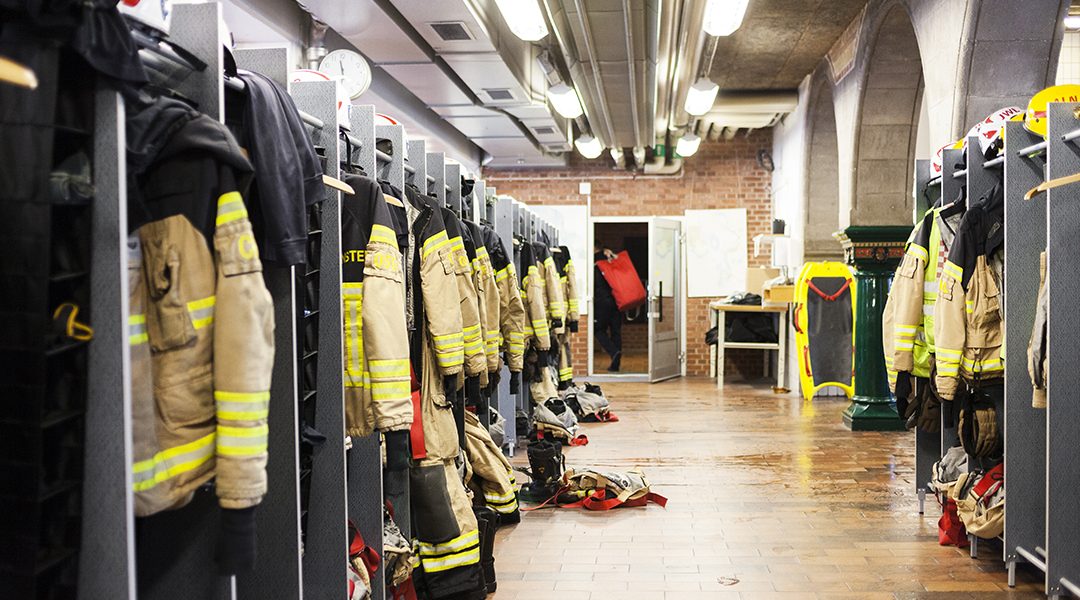
How confident are you in your fire station’s gear cleaning process? Research shows that improperly cleaned turnout gear can expose firefighters to hazardous toxins. Even long after the flames are out, this is still a risk. That’s why NFPA 1850 exists: to set clear standards that protect your crew’s health and keep your department audit-ready. But are your current laundry practices and equipment truly up to the task? Let’s break down what NFPA 1850 compliance really takes and how to ensure your firehouse meets the mark.
What is NFPA 1850?
NFPA 1850 is a standard developed by the National Fire Protection Association. It sets the requirements for the selection, inspection, cleaning, repair, and replacement of personal protective equipment (PPE) used by firefighters. The goal? To reduce health risks from contaminated gear and ensure PPE remains operationally sound.
Why does NFPA 1850 matter?
Health
Dirty or improperly cleaned PPE can harbor hazardous carcinogens and biological contaminants, exposing your team to health risks.
Legal
Failure to meet turnout gear cleaning standards can leave your department open to legal liability.
Funding
Many grants and funding sources now require strict adherence to NFPA 1850.
Key Turnout Gear Cleaning Requirements
Under NFPA 1850, fire departments are required to:
- Regularly inspect and thoroughly clean all turnout gear, using machine cycles and detergents tailored to PPE fabric and soil load.
- Avoid mechanical damage that can compromise fabric integrity and chemical residue, which can leave toxic contaminants.
- Maintain detailed records documenting all inspections, cleaning, repairs, and replacements.
Improper cleaning—especially with conventional residential machines—often fails to achieve these goals and can void gear warranties or reduce PPE lifespan.
Why Traditional Equipment Falls Short
Standard washers and dryers, whether residential or even basic commercial models, are NOT built to address the specialized needs outlined by NFPA 1850. Key shortcomings include:
- Insufficient cycle control: NFPA 1850 recommends programmable cycles and gentle G-force to protect costly gear while removing contaminants.
- Lack of appropriate chemical dispensers: Firefighter PPE requires specialized detergents—not just off-the-shelf laundry soap.
- No compliance documentation: Compliant firehouse washers should help track cycle use and cleaning records for inspections.
What to Look For in NFPA 1850 Compliant Laundry Equipment
When selecting laundry equipment for turnout gear, look for:
- Programmable controls: for customizable wash cycles aligning with fabric needs.
- Appropriate G-force settings: to remove contamination without excessive mechanical wear.
- Specialized chemical dosing: to ensure detergents and disinfectants are used correctly.
- Strong build quality: for long-term performance in a demanding environment.
- Record-keeping integration: to aid with compliance documentation and NFPA inspections.
Failing to use the right machines can compromise gear safety, put your firefighters at risk, and threaten department compliance.
Spin Techs: Your Partner in NFPA 1850 Compliance
Spin Techs is a veteran-owned, locally based expert in commercial laundry solutions. We work closely with fire departments to help you meet NFPA 1850 requirements with confidence and ease.
Industry-Leading Laundry Equipment
Offering both sales and service, we have experience with a wide variety of trusted brands that are fully compatible with NFPA 1850 standards.
For instance, UniMac offers specialized solutions designed with firehouses in mind. Their equipment features FireLinc™, a cloud-based platform that makes it easy to monitor equipment performance, schedule maintenance, and ensure full compliance. All of this from any location.
Expert Installation & On-Site Training
Our team provides professional installation of your new laundry equipment. We also conduct detailed, hands-on training sessions, so every member of your crew understands how to operate and maintain your washers and dryers safely and effectively.
Responsive Maintenance & Repairs
Spin Techs is committed to keeping your equipment running smoothly. We offer fast response times (24- to 48-hour service calls), emergency support, and a dependable 150-mile regional service radius to ensure help is always close at hand.
Exceptional Warranty Coverage
Invest with confidence. Our machines come with warranties ranging from 2 to 5 years, and we offer a 1-year warranty on all installed parts, protecting your department from unexpected expenses.
Full Support for All Major Brands
Already have equipment in your station? No problem. We service, repair, and provide preventive maintenance for all major commercial laundry brands, helping you maximize your investment and maintain NFPA 1850 compliance.
Frequently Asked Questions About NFPA 1850
What’s the difference between NFPA 1850 and NFPA 1851?
NFPA 1851 was the long-standing standard for the care and maintenance of structural firefighting turnout gear. NFPA 1850 brings NFPA 1851 and NFPA 1852 (the SCBA care standard) together into one consolidated document, which took effect in September 2025. If your department’s procedures still reference NFPA 1851, now is a good time to review them against NFPA 1850.
How often does turnout gear need to be cleaned?
Gear should be cleaned any time it’s exposed to smoke, soot, or other products of combustion, not just on a set schedule. On top of that, turnout gear requires a full advanced cleaning at least twice a year. Keeping a dedicated, properly programmed washer-extractor at the station makes it far easier to keep up with both.
Can we wash turnout gear in a regular washing machine?
No. Top-loading machines with a center agitator can damage protective layers and don’t clean heavily soiled gear well. Turnout gear should be washed in a front-loading washer-extractor that stays at or below 100 G-force, keeps wash water at or below 105°F for advanced cleaning, and uses a detergent with an undiluted pH between 6.0 and 10.5.
Is there such a thing as an “NFPA-approved” detergent?
No. NFPA doesn’t approve specific detergent brands. Instead, the standard sets criteria a detergent must meet, such as its pH range. Always check your gear manufacturer’s cleaning instructions, too, since following them helps protect your warranty.
Should turnout gear be washed with station uniforms or other laundry?
No. Contaminated PPE should be laundered separately to keep toxins and carcinogens from transferring onto everyday clothing, towels, or bedding. Many departments install a dedicated gear washer to keep turnout cleaning completely separate from general station laundry.
What records do we need to keep for NFPA 1850?
Your department should document every inspection, cleaning, repair, and replacement for each piece of gear. Equipment with built-in tracking, like UniMac’s FireLinc™ platform, can log cycle data automatically and make audits much simpler.
Can Spin Techs service the washer we already have?
Yes. Our technicians repair and maintain all major commercial laundry brands, whether we installed the equipment or not. We’ll make sure your current machines are running properly and help you decide whether an upgrade makes sense for compliance.
What areas does Spin Techs serve?
Based in South Bend, Indiana, Spin Techs serves fire departments within a 150-mile radius, including Northern Indiana, Chicagoland, Southwest Michigan, and Western Ohio. We respond to service calls within 24 to 48 hours and offer emergency support.
Stay Compliant. Protect Your Crew. Partner with Spin Techs Today
NFPA 1850 compliance is critical to your fire station’s operational reliability and your firefighters’ health. Let Spin Techs help you navigate compliant equipment choices and stay audit-ready. Ready for fast, reliable local service? Schedule a consultation today.